
Travel Education Tips for Families on the Move

Traveling as a family can be one of the most enriching experiences, offering opportunities for learning, bonding, and adventure. However, it can also present challenges, especially when trying to incorporate educational elements into your trips. This blog post will provide practical tips for families on the move, ensuring that your travels are not only fun but also educational.
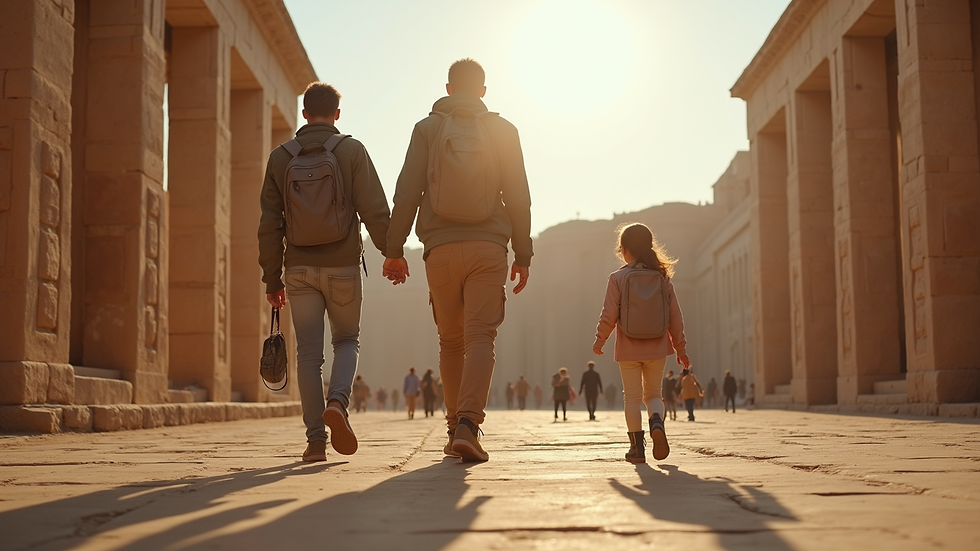
Understanding the Importance of Travel Education
Travel education is about more than just visiting new places; it’s about immersing yourself in different cultures, histories, and environments. Here are a few reasons why travel education is essential for families:
Cultural Awareness: Traveling exposes children to diverse cultures, helping them understand and appreciate differences.
Real-World Learning: Experiences outside the classroom can enhance learning in subjects like history, geography, and science.
Family Bonding: Shared experiences create lasting memories and strengthen family ties.
Life Skills: Traveling teaches children valuable skills such as adaptability, problem-solving, and communication.
Planning Your Educational Travel
Choose Your Destination Wisely
Selecting the right destination is crucial for an educational trip. Consider places that offer rich historical, cultural, or natural significance. Here are some ideas:
Historical Sites: Places like Washington D.C., Rome, or Athens provide a wealth of history.
Natural Wonders: National parks like Yellowstone or the Grand Canyon offer lessons in geology and ecology.
Cultural Experiences: Cities like New Orleans or Mexico City are vibrant with music, art, and culinary traditions.
Set Educational Goals
Before you embark on your journey, establish clear educational goals. What do you want your family to learn? Here are some examples:
Understanding the significance of a historical event.
Learning about local wildlife and ecosystems.
Exploring the art and music of a particular culture.
Create a Flexible Itinerary
While it’s essential to have a plan, flexibility is key. Allow time for spontaneous learning opportunities. For example, if you stumble upon a local festival, take the time to explore it rather than sticking rigidly to your schedule.
Engaging Activities for Learning on the Go
Interactive Learning
Incorporate interactive activities that engage children and make learning fun. Here are some ideas:
Scavenger Hunts: Create a scavenger hunt related to your destination. For example, in a museum, list specific artifacts for your children to find.
Journaling: Encourage children to keep a travel journal where they can document their experiences, thoughts, and drawings.
Local Workshops: Participate in local workshops, such as cooking classes or craft sessions, to learn hands-on skills.
Use Technology Wisely
Technology can enhance your travel education experience. Here are some tools to consider:
Educational Apps: Download apps that provide information about your destination, such as history or language learning tools.
Virtual Tours: If you can’t visit a site in person, consider virtual tours that allow you to explore from home.
Encourage Curiosity
Foster a sense of curiosity in your children. Ask open-ended questions that encourage them to think critically about what they see and experience. For example:
What do you think life was like for people who lived here?
How does this place compare to our home?
Making the Most of Cultural Experiences
Try Local Cuisine
Food is a significant part of any culture. Encourage your family to try local dishes and learn about their origins. You can even turn it into a fun activity by:
Cooking Together: Find a local recipe and try cooking it together as a family.
Food Tours: Join a food tour to sample various local specialties and learn about their cultural significance.
Attend Local Events
Participating in local events can provide unique insights into a culture. Look for:
Festivals: Check local calendars for festivals that celebrate cultural traditions.
Performances: Attend local music or dance performances to experience the arts firsthand.
Incorporating History and Geography
Visit Museums and Historical Sites
Museums and historical sites are treasure troves of information. When visiting, consider the following:
Guided Tours: Opt for guided tours that provide in-depth knowledge and context.
Interactive Exhibits: Look for museums with interactive exhibits that engage children.
Explore Nature
Nature offers countless educational opportunities. When visiting natural sites, focus on:
Wildlife Observation: Encourage children to observe and identify local wildlife.
Environmental Education: Discuss the importance of conservation and the ecosystem.
Reflection and Discussion
Family Debriefs
After each day of exploration, hold a family debrief. Discuss what everyone learned and enjoyed. This can help reinforce the educational aspects of your trip. Consider these questions:
What was your favorite part of the day?
What surprised you the most?
How can we apply what we learned at home?
Create a Travel Scrapbook
At the end of your trip, create a travel scrapbook together. Include photos, ticket stubs, and notes about your experiences. This not only serves as a keepsake but also reinforces the learning that took place during your travels.
Conclusion
Traveling as a family is a wonderful opportunity to learn and grow together. By incorporating educational elements into your trips, you can create meaningful experiences that enrich your family’s understanding of the world. Remember to plan thoughtfully, engage actively, and reflect on your experiences. With these tips, your family will be well on their way to becoming lifelong learners through travel.
So, pack your bags, set your educational goals, and embark on your next adventure with a focus on learning. Happy travels!

Comments